
How Raw Cream Is Made: The CT Ranch Way
posted on
April 4, 2026
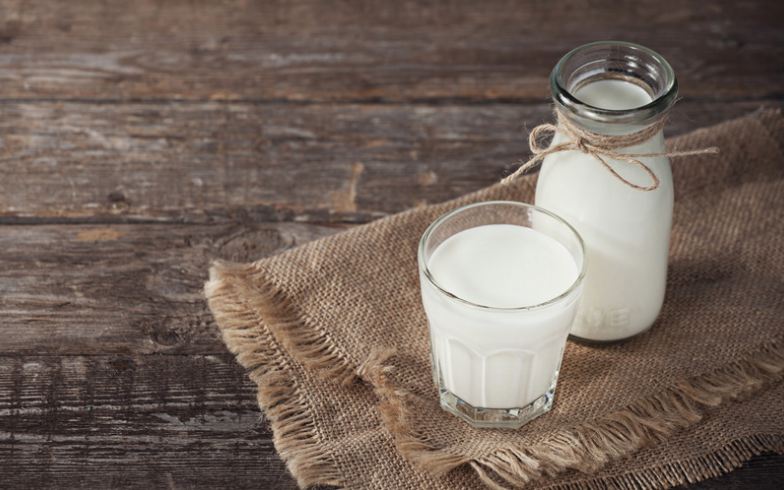
At CT Ranch, we love giving you a peek behind the scenes – especially when it comes to one of the most-loved products on the farm: our rich, golden raw cream.
Made from our grass-fed, A2/A2 raw milk, cream has become a staple for many of our customers. It’s one of those simple foods that speaks for itself, but the process behind it is just as important as the end result.
So how exactly does cream come to be? Let’s take a look.
What Is Cream, Exactly?
Cream is the naturally rich, fat-filled portion of milk that rises to the top when milk is fresh and unprocessed.
When milk comes straight from the cow, it hasn’t been homogenized, which means everything is still in its natural state. Over time, the cream separates and floats to the top, leaving the lighter milk below. That thick, golden layer is what we know as cream, which is full of flavor and nourishing fats.
How We Separate Cream
While cream will naturally rise on its own, we use a cream separator to carefully collect it at its best.
This machine gently spins the milk, using centrifugal force to separate the heavier cream from the lighter milk. The result is clean, efficient separation without damaging the integrity of either. What’s left behind is skim milk, while the cream is collected fresh and ready to be enjoyed.
It’s a simple process, but one that requires attention to detail to make sure nothing is lost along the way.
Why Cream (and Butter) Can Be Limited
Because butter is made from cream, the availability of butter is directly tied to how much cream we have.
There are times of the year when milk production naturally slows down – usually due to seasons, weather, or the cows’ natural cycles. When that happens, there’s simply less cream to go around, which means less butter as well.
It’s not a supply chain issue. It’s just farming.
Why We Don’t Skim All Our Milk
One question we hear often is: why not separate more cream to keep up with demand?
The short answer: because we’re not willing to compromise the quality of our milk to do it.
We don’t skim all of our milk just to increase cream production. Instead, we only separate what makes sense: after calves are cared for and customer needs for whole milk are met. That means our whole milk stays whole, just as it should be.
Our goal has always been to provide food in its most natural and nourishing form, not to stretch production beyond what’s right for the animals or the product.
Keeping It Simple
At the end of the day, cream is a simple, traditional food. It doesn’t need to be engineered or overthought.
From the way our cows are raised to how the milk is handled, everything we do is centered around keeping that simplicity intact. The result is cream that’s rich, flavorful, and exactly what it should be – nothing more, nothing less.


